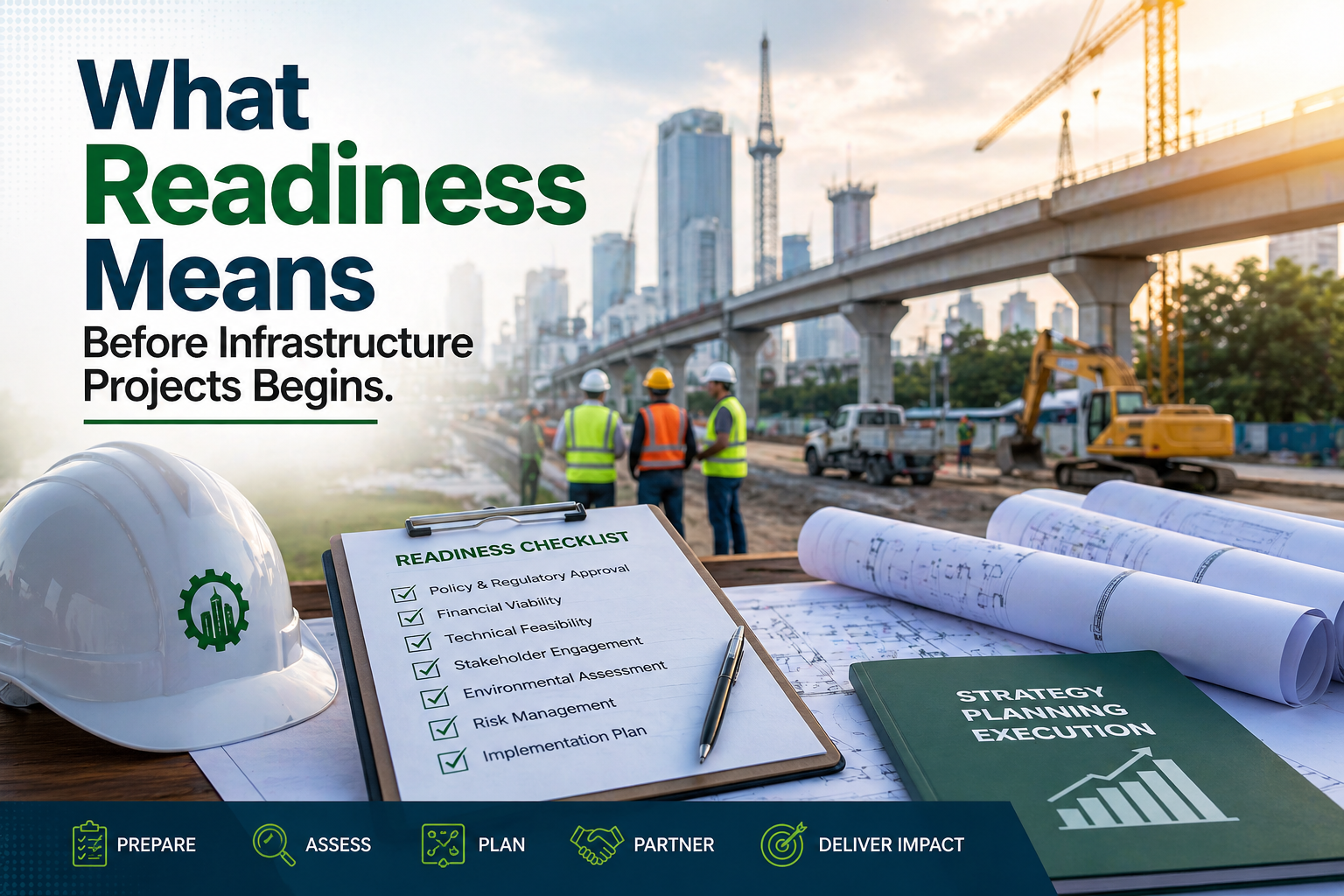
Major infrastructure projects have the power to transform nations, but true success begins long before construction equipment arrives on-site. Whether it is a highway, power plant, or high-speed rail system, readiness is the invisible foundation that determines whether a project thrives or struggles.
For Nigeria’s proposed Integrated Gas, Power, and High-Speed Rail Project, readiness is not simply about ambition, it is about ensuring every critical requirement is in place before the first rail is laid. Preparation protects success.
Funding: The Financial Backbone
No large-scale infrastructure project can succeed without credible, verifiable funding. Strong financial readiness means more than announcing investment figures; it requires transparent proof of funds, sustainable financing structures, and long-term economic planning.
For the proposed Nigerian high-speed rail project, which is estimated at $200 billion, the Federal Government has emphasized the need for rigorous financial verification, technical scrutiny, and proof of investor credibility before approval. This reflects international best practices, where financial certainty reduces the risks of project abandonment, delays, or debt burdens. (FMInfo)
When funding is secure and transparent:
- Investors gain confidence
- Governments reduce financial risk
- Contractors can plan effectively
- Citizens trust the project’s legitimacy
Without proper funding readiness, even visionary projects can become stalled promises.
Regulatory Approvals: Building Within the Law
Readiness also means securing the legal and institutional approvals necessary for execution. Infrastructure projects of national significance require coordination across multiple ministries, regulatory agencies, and security institutions.
Nigeria’s technical committee reviewing the proposed high-speed rail initiative includes representatives from finance, justice, environment, transportation, and national security agencies. Their role is to verify technical, legal, environmental, and governance structures before moving forward. (FMInfo)
This process ensures:
- Compliance with national laws
- Public-private partnership accountability
- Risk mitigation
- Protection of public resources
Approvals are not obstacles; they are safeguards that protect the project from future legal disputes, corruption concerns, or structural failures.
Environmental Checks: Protecting Communities and Sustainability
Modern infrastructure must balance economic growth with environmental responsibility. Rail systems, gas development, and power infrastructure can significantly impact ecosystems, communities, and land use if environmental assessments are ignored.
Environmental readiness includes:
- Impact assessments
- Land-use evaluations
- Community consultations
- Sustainability planning
- Climate resilience considerations
The Nigerian government’s insistence on environmental review as part of the due diligence process signals recognition that successful infrastructure must serve both present and future generations. (FMInfo)
Ignoring environmental preparation can lead to:
- Community displacement conflicts
- Regulatory shutdowns
- Costly redesigns
- Reputational damage
Preparation in this area safeguards both people and project longevity.
Why Preparation Protects Success
Readiness is often less visible than groundbreaking ceremonies, but it is far more important. Strong preparation:
- Prevents costly setbacks
- Enhances investor confidence
- Strengthens governance
- Improves public trust
- Ensures sustainability
For Nigeria’s proposed high-speed rail project, readiness means ensuring that vision is supported by verified resources, legal clarity, and environmental responsibility.
Conclusion
Infrastructure is not merely about construction it is about strategy, discipline, and preparedness. Nigeria’s proposed high-speed rail initiative represents enormous potential, but its success will depend on how thoroughly readiness is achieved before implementation begins.
Funding, approvals, and environmental checks are not delays; they are the pillars that protect transformational projects from failure.
In infrastructure development, preparation is not optional, it is the first stage of construction itself. When readiness comes first, success becomes far more achievable.