In 1964, as the world watched the Tokyo Olympics, Japan achieved something many believed could not be done.
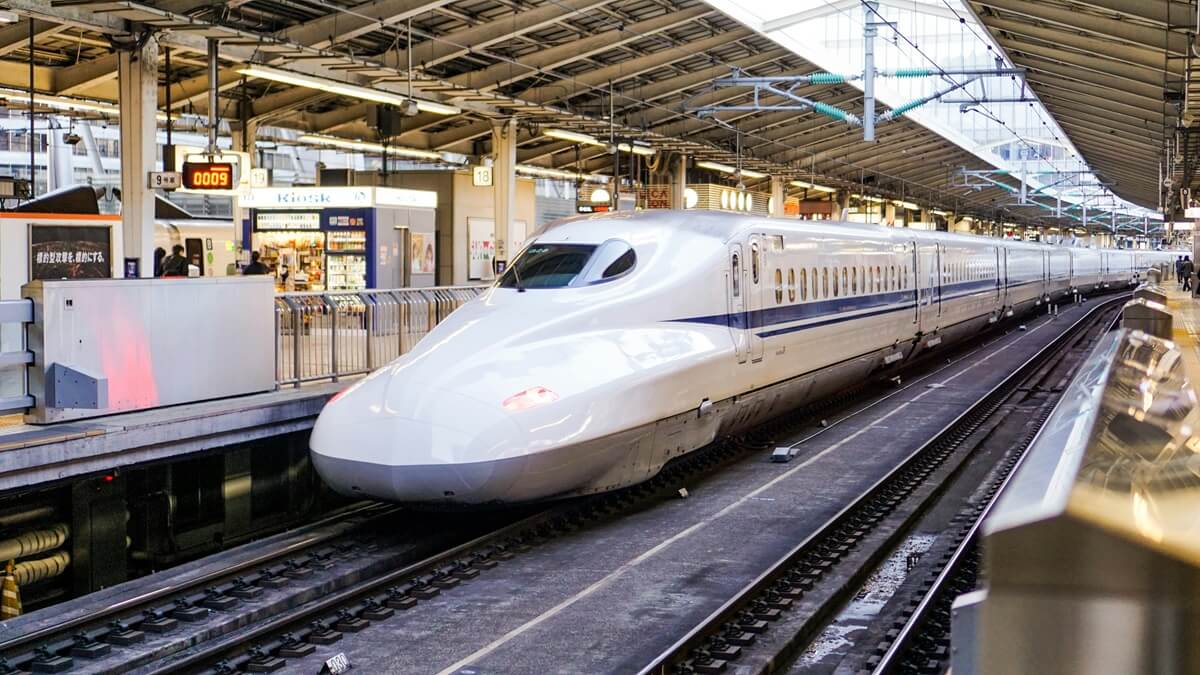
The Japan Shinkansen, or “bullet train,” came to be due to a need for higher capacity and faster travel on the crowded Tokaido Main Line, with construction starting in 1959 and the first line opening in 1964 for the Tokyo Olympics.
The project involved creating a new, dedicated standard-gauge track with new electrified trains designed to run at high speeds and an automatic safety system. The first line, between Tokyo and Osaka, was an immediate success, drastically reducing travel time and proving profitable.
The Shinkansen Bullet Train, the world’s first true bullet train, raced from Tokyo to Osaka at 210 km/h, a speed unimaginable at the time. Overnight, it redefined transportation, transformed Japan’s economy, and proved that trains could compete with airplanes.
That moment marked the birth of modern high-speed rail.
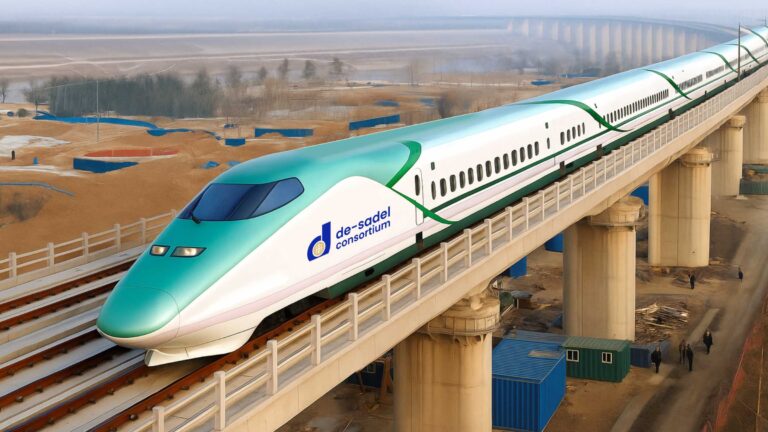
Six decades later, Nigeria stands at a similar turning point, and De-Sadel Consortium is leading the nation toward its own high-speed future, inspired by global successes, refined by African realities.
Dedicated high-speed tracks (no sharing with freight/slow trains).
Key Innovations
- Dedicated high-speed tracks (no sharing with freight/slow trains).
- Automatic train control and safety systems.
- Precision timing, trains arriving within seconds of schedule.
National Transformation
Japan’s high-speed rail revolution became a powerful force for national transformation, significantly boosting the country’s GDP, raising worker productivity, and enabling seamless regional mobility that connected cities like never before. Beyond its economic impact, it evolved into a global symbol of efficiency, inspiring nations worldwide to modernize their transportation systems.
Japan proved one new truth: that fast trains can transform nations.
Global Innovation That Followed
After Japan’s breakthrough, other countries created their own high-speed rail identities, each contributing a unique innovation that shaped the global playbook.
China – Speed + Scale
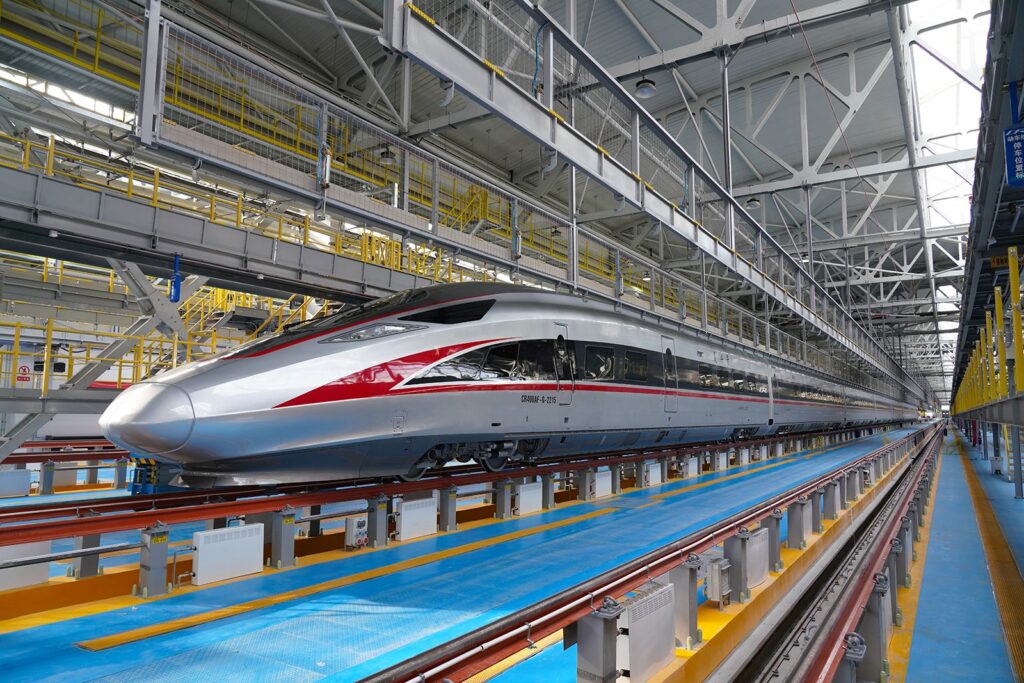
China built the world’s largest high-speed rail network, with its CR400 Fuxing trains operating at a commercial speed of 350 km/h. Through rapid construction and a focus on mass connectivity, the country has mastered large-scale rail development, transforming mobility across its regions.
China’s bullet train scaled efficiently while maintaining reliability.
France (TGV) – Aerodynamic Engineering
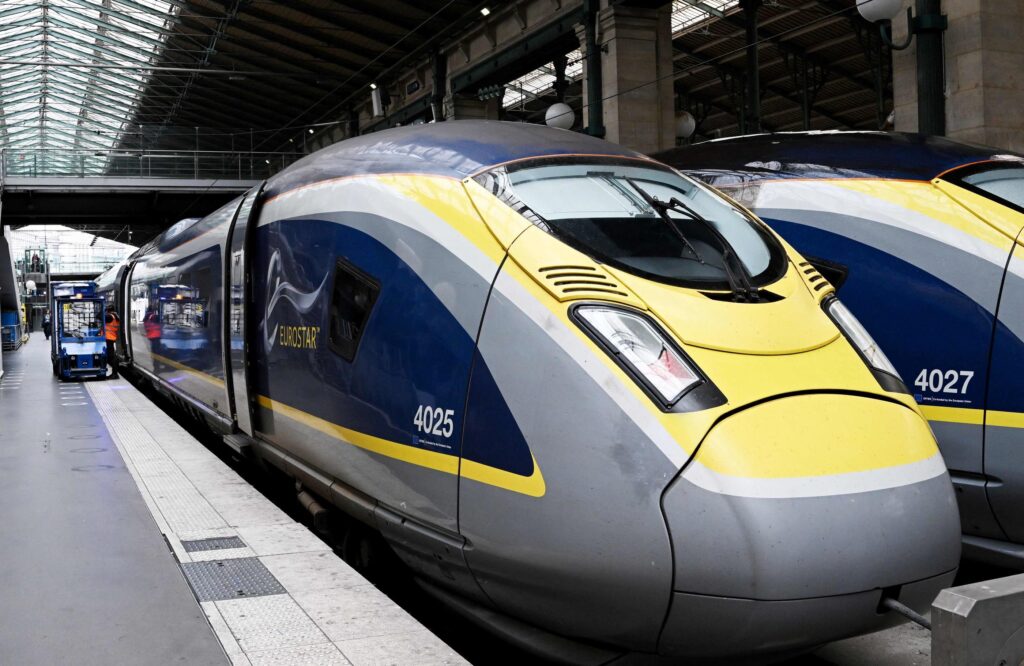
France is famous for breaking multiple world speed records, with its sleek nose designs that helped shape modern bullet train aerodynamics. The key lesson from France’s achievement is that high-speed performance is driven by engineering precision.
Germany (ICE) – Reliability & Passenger Comfort
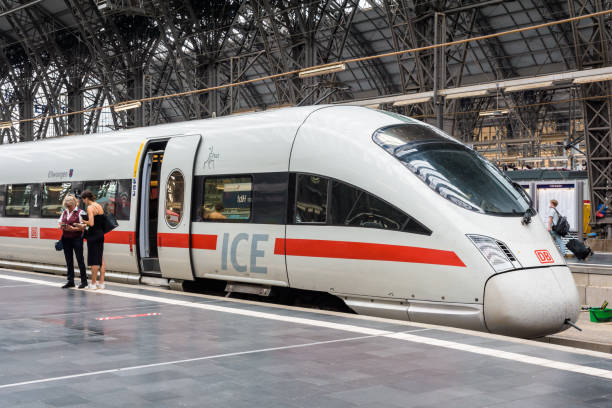
Germany is known for its seamless integration of high-speed trains with the existing national rail network, placing strong emphasis on comfort, smooth acceleration, and reliability. The key lesson from Germany’s approach is that long-term success in rail transport depends on comfort and effective network integration.
Spain (AVE) – Tourism & Regional Development
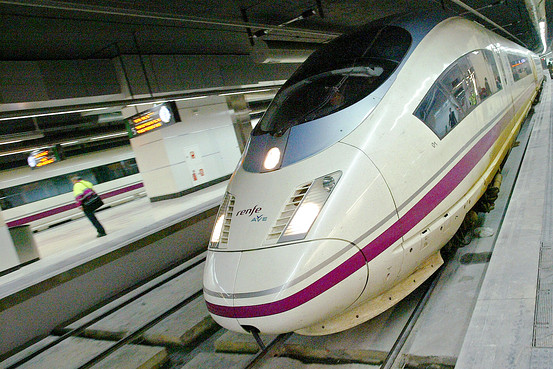
Spain uses high-speed rail to connect smaller regions to major cities, leading to rapid growth in tourism and local economies. The key lesson from Spain’s experience is that high-speed rail acts as a powerful economic multiplier.
South Korea (KTX) – Technology Adaptation
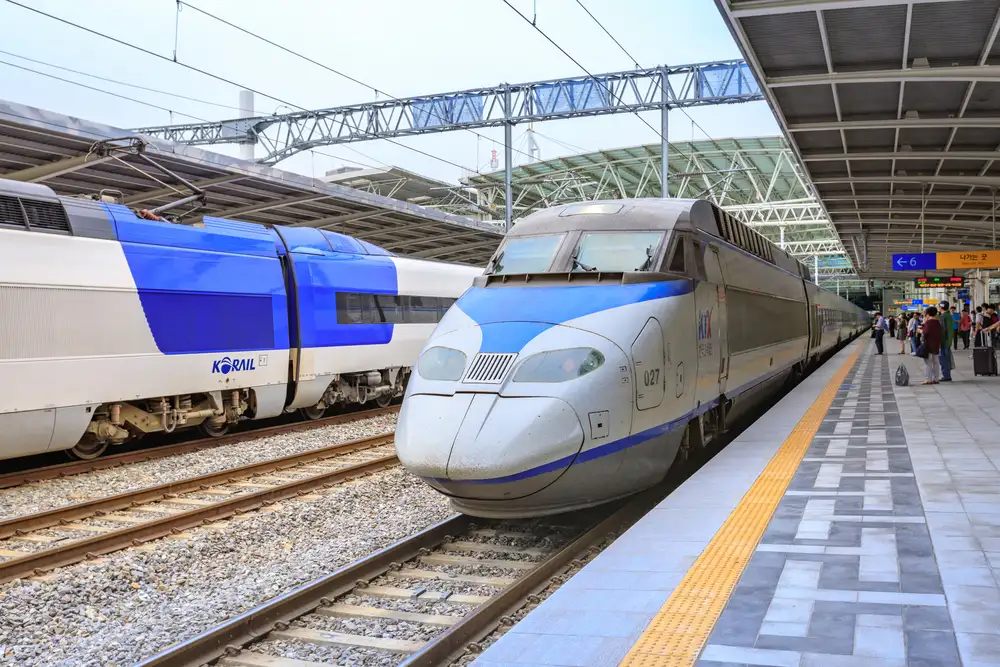
South Korea studied the French, German, and Japanese high-speed rail models and then built a hybrid system tailored to its own terrain and climate. The key lesson from South Korea’s approach is that localizing global technology ensures long-term sustainability.
What All These Systems Teach Us.
Across all world-class HSR systems, several patterns are emerging.
- Energy-efficient systems that reduce long-term operating costs.
- Dedicated corridors that create speed and safety.
- Public–private partnerships that accelerate implementation.
- Engineering precision that determines reliability.
- Automation improves safety and reduces human error.
- Stimulation of GDP growth and industrial expansion.
- Clear project timelines that ensure investor confidence.
These global lessons form the foundation of De-Sadel’s Nigerian blueprint.
How De-Sadel Is Adapting These Lessons for Nigeria.
De-Sadel is not copying the world; rather, it is adapting proven innovations to Nigerian and West African realities.
Designing 350 km/h Trains for West Africa’s Climate.
- Heat-resistant components
- Dust-protective sealing systems
- Aerodynamics adjusted for humidity and crosswind patterns
Track Design & Safety—Inspired by Japan & China.
- Dedicated high-speed corridors.
- Automatic train control.
- AI-based monitoring for track integrity.
European-Inspired Station Integration
- Connecting stations to airports, BRT, metro, taxis, and ride-hailing
- Mixed-use station districts to boost commerce
- Training Nigerian engineers
- Local manufacturing partnerships
- Building long-term technical independence
Global EPC + Asian Financing Models
- Proven project execution frameworks.
- Transparent financing structures.
- Investor-attractive economic models, creating New Economic Corridors
Routes envisioned to connect:
- Abuja
- Lagos
- Kano
- Port Harcourt
- Enugu
- Kaduna
Each line is designed as a business, tourism, and freight superhighway.
- Fast movement of people and goods
- Economic Transformation
- Increased productivity across sectors
- Attraction of foreign investment
Massive Job Creation
- Construction
- Engineering
- Operations
- Local manufacturing
- Hospitality and service industries
Mobility Revolution
- Abuja to Lagos in under 2 hours
- Kaduna to Enugu without stress
- Tourism revival nationwide
Environmental Impact
- Reduced carbon emissions
- More sustainable national transport system
A New National Identity.
A modern Nigeria connected by bullet trains sends a powerful signal:
This is a nation open for business, innovation, and global partnerships.
A Vision Nigerians Can Feel: Breakfast in Abuja. Meetings in Lagos. Dinner in Enugu.” This is not fiction; this is what high-speed rail makes possible.
Conclusion—A New Chapter for Africa
High-speed rail changed Japan. It reshaped Europe. It accelerated China’s rise. Now, Nigeria stands on the edge of its own transformation.
De-Sadel is not merely copying global systems; it is building a new, African-adapted model of high-speed excellence. Nigeria’s high-speed future is no longer a dream; it is on track.