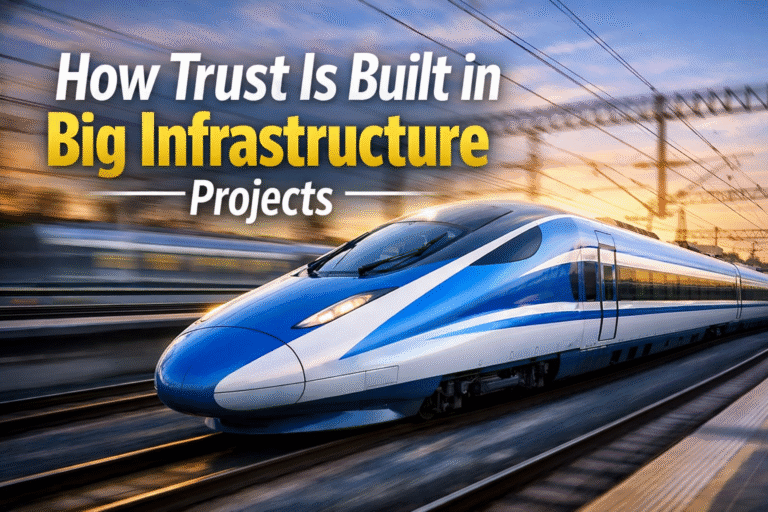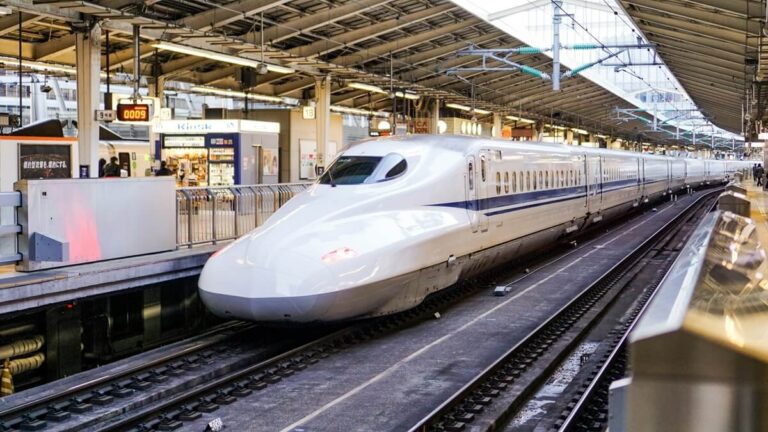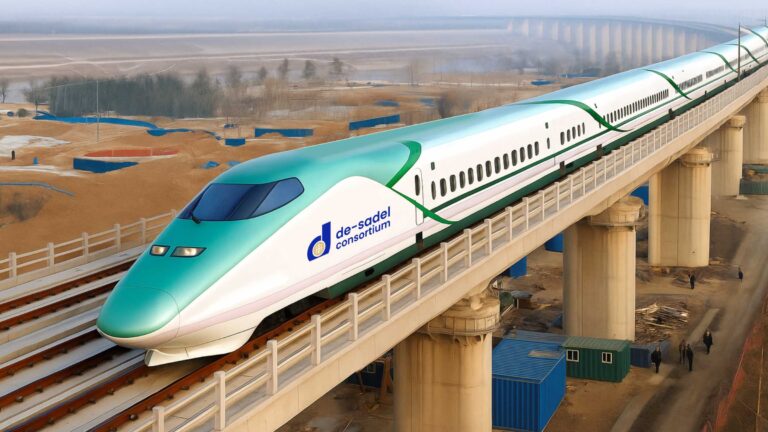
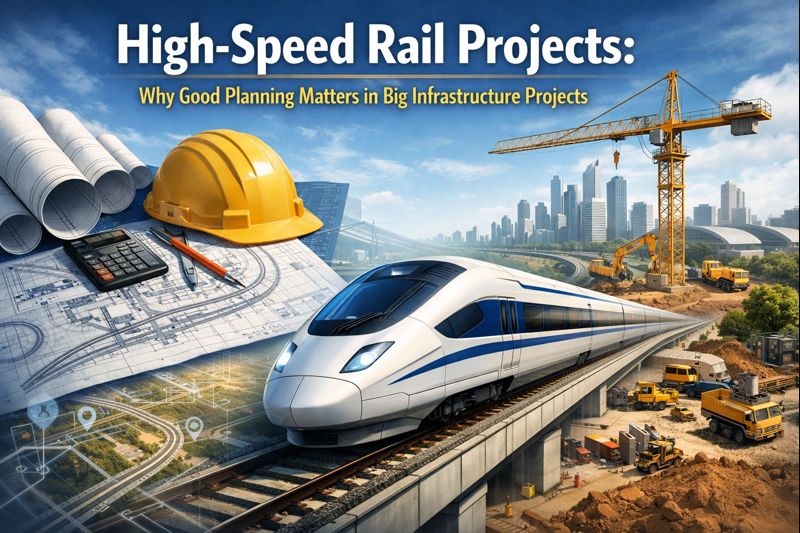
High-speed rail (HSR) projects are among the most ambitious infrastructure developments any nation can undertake. Beyond the visible elements sleek trains, modern stations, and fast travel times lies a highly complex ecosystem of planning, assessments, coordination, and long-term strategy. The success of such a project depends not only on engineering excellence but also on rigorous evaluation, stakeholder alignment, environmental responsibility, and sustainable financial planning.
This article explores the critical components involved in planning and delivering a high-speed rail project.
1. Strategic Vision and National Objectives
Every high-speed rail project begins with a clear strategic purpose. Governments typically pursue HSR projects to achieve objectives such as:
- Improving national transportation efficiency
- Reducing congestion on roads and airports
- Stimulating economic growth and regional development
- Supporting climate change goals by reducing carbon emissions
- Enhancing connectivity between major cities
- Encouraging urban regeneration
Without a well-defined vision, projects risk becoming politically driven rather than strategically justified.
2. Feasibility Studies
Before any construction begins, comprehensive feasibility studies are conducted. These studies evaluate whether the project is viable from multiple perspectives.
Key components include:
- Technical feasibility (terrain, engineering complexity, technology options)
- Economic feasibility (cost-benefit analysis, return on investment)
- Financial feasibility (funding sources, revenue projections)
- Legal feasibility (land rights, regulations, policy alignment)
- Operational feasibility (ridership projections, maintenance capacity)
Feasibility studies often take years and serve as the foundation for decision-making.
3. Environmental and Social Impact Assessments (ESIA)
One of the most critical phases of high-speed rail planning is the Environmental and Social Impact Assessment (ESIA).
This process evaluates how the project will affect:
- Ecosystems and biodiversity
- Water bodies and wetlands
- Air quality and noise levels
- Local communities and livelihoods
- Cultural heritage sites
- Land use patterns
- Displacement and resettlement issues
Mitigation strategies must be proposed to minimize harm, such as wildlife corridors, sound barriers, community compensation plans, and sustainable construction practices.
4. Route Planning and Land Acquisition
Choosing the right route is both a technical and political challenge. Route planning considers:
- Population density
- Existing transportation corridors
- Geographic constraints (mountains, rivers, urban zones)
- Construction complexity
- Economic impact on regions
- Political and community acceptance
Once a route is selected, land acquisition becomes a major undertaking, involving negotiations, compensation, legal processes, and community engagement.
5. Stakeholder Engagement and Public Consultation
High-speed rail projects affect millions of people, making stakeholder management essential.
Stakeholders typically include:
- National and regional governments
- Local communities
- Transport authorities
- Environmental groups
- Private investors
- Construction firms
- Businesses along the route
- The general public
Public consultations are conducted to:
- Explain project benefits and risks
- Gather feedback
- Address concerns
- Reduce resistance
- Build trust and transparency
Projects that ignore stakeholder engagement often face protests, delays, and legal challenges.
6. Financial Structuring and Funding Models
HSR projects require enormous investment, often running into billions of dollars. Funding structures may include:
- Government budget allocations
- Public-Private Partnerships (PPP)
- Infrastructure bonds
- International development loans
- Sovereign wealth funds
- Multilateral institutions (World Bank, AfDB, etc.)
Financial planning includes:
- Capital cost estimation
- Long-term operational cost modeling
- Revenue forecasting
- Risk allocation between partners
- Financial sustainability planning
7. Risk Assessment and Mitigation Planning
Large infrastructure projects carry significant risks. Comprehensive risk assessments are conducted across multiple areas:
- Technical risks (engineering complexity, system failures)
- Financial risks (budget overruns, inflation, currency fluctuations)
- Political risks (policy changes, leadership changes)
- Environmental risks (climate impact, unforeseen ecological issues)
- Social risks (public opposition, displacement conflicts)
- Operational risks (lower-than-expected ridership)
Risk mitigation plans are developed to reduce the likelihood and impact of these issues.
8. Engineering Design and Technical Planning
This phase involves detailed technical planning, including:
- Track alignment and design
- Station architecture and accessibility
- Electrical systems and power supply
- Signaling and communication systems
- Safety systems
- Train technology selection
- Maintenance depots
- Integration with existing transport networks
Engineering planning must align with international safety standards and long-term operational efficiency.
9. Procurement and Contractor Selection
Large-scale projects require transparent and competitive procurement processes. This includes:
- Tender documentation
- Bidding processes
- Contractor evaluation
- Technical capability assessment
- Financial credibility checks
- Contract negotiation
- Performance guarantees
Poor procurement decisions can lead to cost overruns, delays, and quality issues.
10. Project Management and Governance Structures
Strong governance is essential. Most successful projects establish:
- A dedicated project management authority
- Independent oversight committees
- Technical advisory panels
- Financial audit systems
- Compliance monitoring frameworks
Clear governance structures ensure accountability, transparency, and coordination across all stakeholders.
11. Construction Phasing and Timeline Planning
HSR projects are often executed in phases over many years. Planning includes:
- Construction sequencing
- Milestone definition
- Resource allocation
- Supply chain management
- Workforce planning
- Quality control systems
- Safety management systems
Phased delivery allows early benefits while later sections are still under construction.
12. Operational Planning and Long-Term Sustainability
Beyond construction, long-term success depends on operational planning such as:
- Ticket pricing strategies
- Ridership forecasting
- Service frequency planning
- Staff training and recruitment
- Maintenance schedules
- Technology upgrades
- Customer experience design
A high-speed rail system is not just a project—it is a long-term national asset requiring decades of management.
13. Economic and Regional Development Planning
Governments often integrate HSR projects into broader economic strategies, including:
- Transit-oriented development around stations
- New business districts
- Tourism development
- Real estate expansion
- Job creation strategies
- Regional investment attraction
This ensures the project delivers lasting economic value beyond transportation.
Conclusion
High-speed rail projects are far more than transportation initiatives. They are national transformation projects that require vision, discipline, collaboration, and rigorous planning. From feasibility studies to environmental assessments, from stakeholder engagement to financial structuring, every stage plays a vital role in determining success or failure.
When executed properly, high-speed rail systems become powerful engines of economic growth, environmental sustainability, and social development. When poorly planned, they become costly burdens. The difference lies in the depth of planning, the quality of leadership, and the commitment to long-term value over short-term gains.