Large infrastructure projects such as the High Speed Rail systems require more than engineering and funding. They require public trust. Without trust, even well-designed projects can face resistance, delays, or skepticism. With trust, projects gain support, stability, and long-term success.
Trust in infrastructure is not created through announcements or promises. It is built gradually, through consistent actions, transparent systems, and visible discipline over time.
Trust Is Built Step by Step.
Trust does not appear overnight. It develops when people observe a pattern of responsible behavior. In large projects, this means:
● Clear planning before execution
● Realistic timelines
● Open communication
● Careful risk management
● Compliance with safety and regulatory standards
When these elements are handled properly and consistently, confidence begins to grow. When they are ignored, doubt increases.
Trust is not based on words alone, it is based on evidence of preparation and delivery.
Systems Build Confidence
In large infrastructure projects, trust is strengthened by systems not personalities. Systems create predictability, and predictability reduces uncertainty Key systems that build confidence include:
1. Feasibility and Planning Systems Careful studies and structured planning show that decisions are guided by data rather than assumptions.
2. Safety Frameworks Clear safety standards and oversight mechanisms demonstrate that human life and operational reliability are priorities.
3. Financial Controls Transparent budgeting and cost monitoring reduce the risk of waste or unexpected financial strain.
4. Regulatory Compliance Working within established laws and standards ensures that the project aligns with national requirements.
When these systems are visible and functioning properly, stakeholders gain confidence because they see structure and order behind the project.
Consistency Over Time
Trust grows when a project consistently follows through on its processes. Meeting deadlines, communicating clearly, addressing concerns directly, and maintaining operational discipline all contribute to long-term credibility.
In contrast, sudden changes, unclear direction, or poor coordination can weaken confidence quickly. Large infrastructure projects require steady leadership and reliable procedures to maintain trust over extended timelines.
Applying This to the De-Sadel High-Speed Rail Project
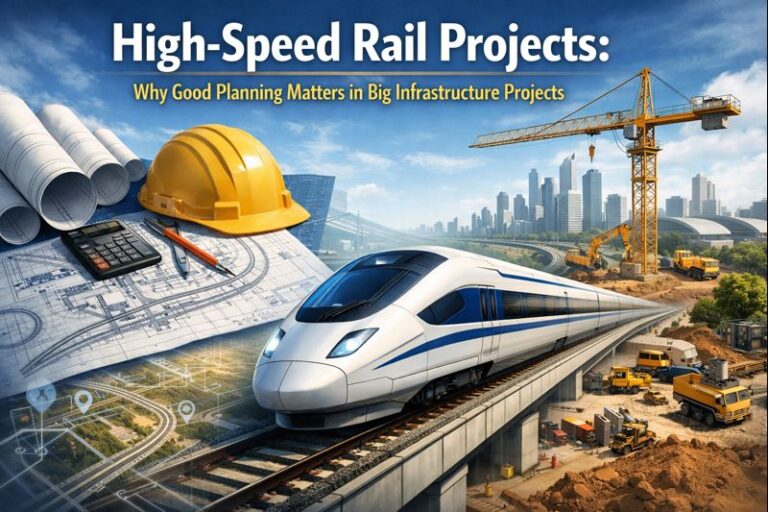
The development of the De-Sadel High-Speed Rail project in Nigeria illustrates how trust can be built through structured preparation and disciplined systems. Rather than rushing into visible construction, de-sadel has focused on:
● Conducting detailed feasibility studies
● Reviewing safety requirements and international best practices
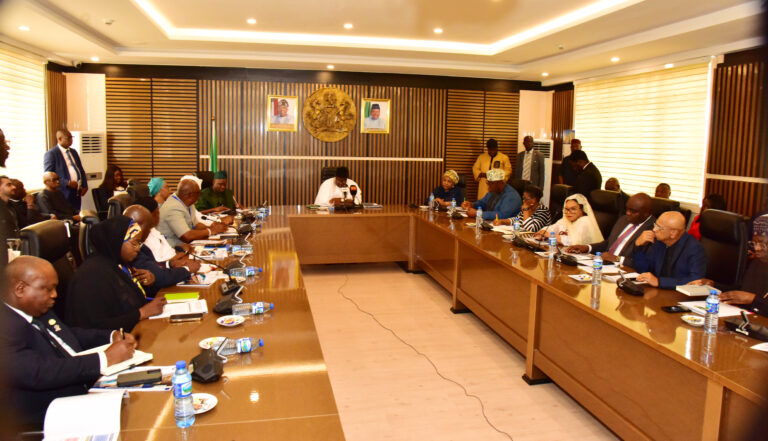
● Engaging relevant stakeholders for consultation
● Aligning with regulatory and institutional frameworks
● Developing financial and risk management plans
These steps may not be as visible as construction equipment or completed stations, but they form the foundation of long-term reliability.
By prioritizing preparation, safety assessment, and structured planning, the project demonstrates that trust is being built through process not publicity. Over time, consistent adherence to these systems strengthens confidence among stakeholders, partners, and the wider public.
Conclusion
Trust in big infrastructure projects like the De-Sadel High-Speed Rail initiative hinges on careful groundwork and responsible planning, fostering trust with each step.
Sustainable success isn’t just about launching the High Speed Rail, it’s about how it’s built, ensuring lasting impact and community buy-in is not automatic, it is earned through preparation, structure, and disciplined execution. Systems that promote safety, transparency, compliance, and financial control create stability and stability builds confidence.