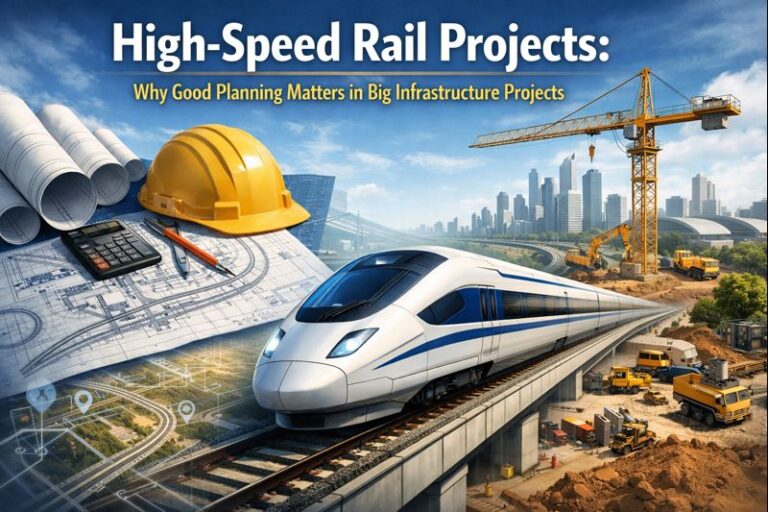

Nigeria is entering a new era of transportation excellence with the $200 billion High-Speed Rail (HSR) Project, a visionary infrastructure initiative promoted by De-Sadel Nigeria Limited.
Designed to transform how people and goods move across the country, the project will connect all 36 states and the Federal Capital Territory (FCT) through a modern, efficient, and sustainable rail system.
This monumental 4000-kilometer project will not only redefine national mobility but also position Nigeria as the second country in the world with the largest high-speed rail network, after China. This milestone places the nation on the global map of innovation and economic transformation.
A Vision Rooted in Progress
At its core, the De-Sadel High-Speed Rail Project is about nation-building through connectivity. It is envisioned as the backbone of Nigeria’s modern economy, linking every state to stimulate trade, tourism, and industrialization.
The project will serve as a unifying transport network that enhances accessibility, reduces travel time, and integrates regional economies, creating a seamless movement of people, goods, and ideas across the nation.
Scope and Design
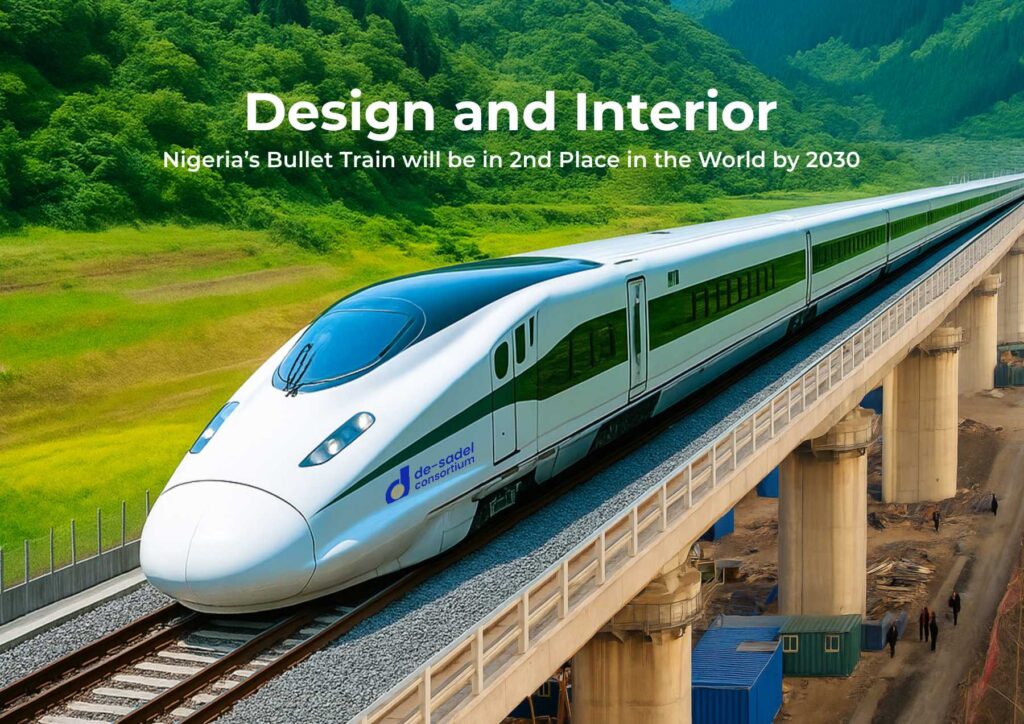
The $200 billion project is structured as a Public-Private Partnership (PPP) led by the private company, De-Sadel Consortium, demonstrating how visionary private-sector leadership can work hand in hand with public institutions to deliver transformative national projects.
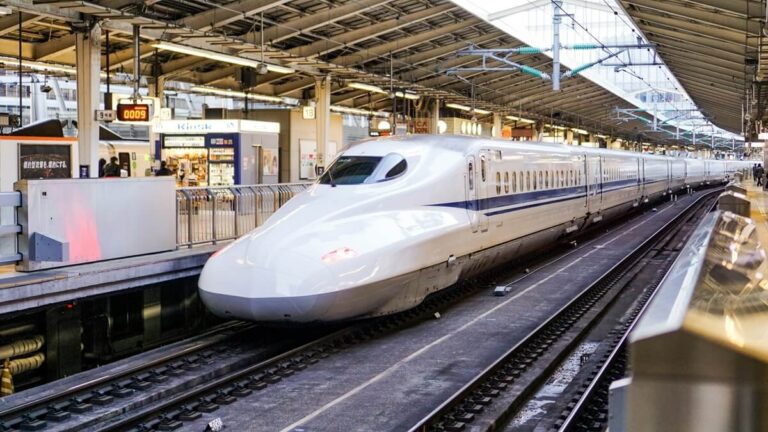
Built to international standards, the rail lines will operate at speeds of up to 350 kilometers per hour, offering a world-class travel experience while ensuring safety, comfort, and reliability.
The system will cover all 36 states and the FCT, making it the most extensive high-speed rail network ever undertaken in Africa.
The First Phase: Connecting Nigeria’s Economic Arteries
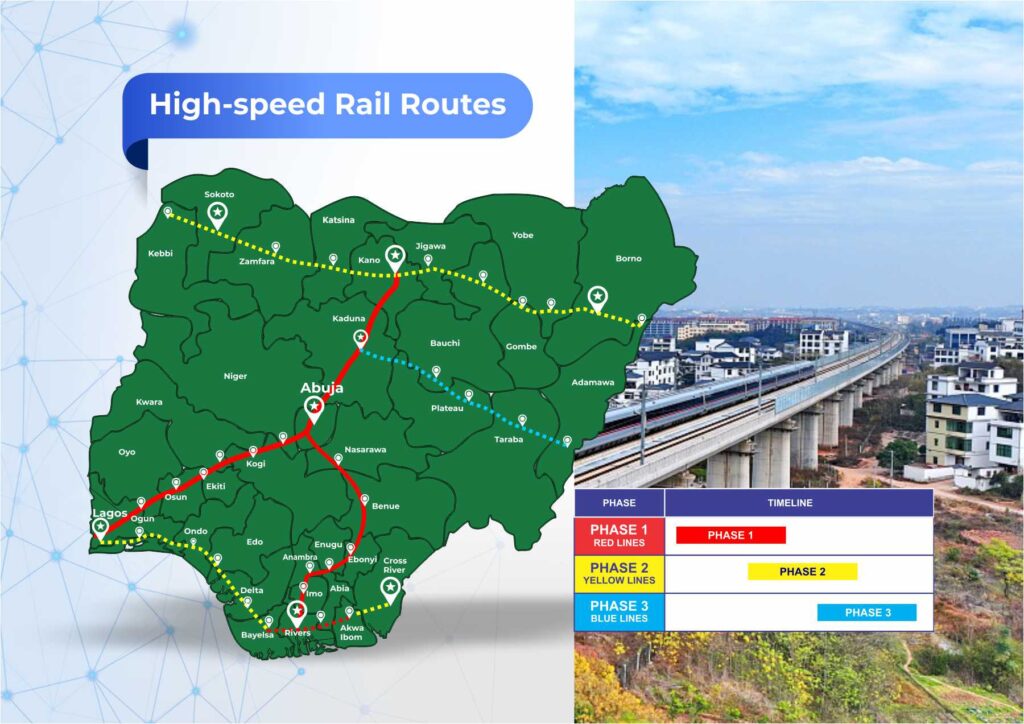
The first phase of the project, valued at $55 billion, focuses on three major corridors:
- Abuja–Lagos
- Abuja–Kano
- Abuja–Port Harcourt. These routes were strategically selected for their economic significance, linking Nigeria’s commercial, political, and industrial hubs. Once operational, they will drastically reduce travel time between major cities and unlock new opportunities for commerce, logistics, and regional development.
Powering Progress with Clean Energy
One of the most distinctive features of the project is its sustainable energy model. The entire high-speed rail network will be powered by electricity generated from Nigeria’s abundant natural gas reserves.
This approach not only supports Nigeria’s Energy Transition Plan but also aligns with President Bola Ahmed Tinubu’s Gas Revolution Initiative, promoting cleaner, more efficient energy use while reducing carbon emissions.
By harnessing natural gas to power mobility, De-Sadel is driving the country toward a future where economic growth and environmental responsibility are in harmony.
Economic Impact: Building the Future Beyond Tracks
Beyond fast trains and modern stations, the High-Speed Rail Project is a catalyst for national economic transformation.
Along its corridors, industrial parks will be developed to attract manufacturing, technology, and logistics investments, each equipped with an uninterrupted power supply from the project’s integrated energy system.
This will create millions of direct and indirect jobs for Nigerians, enhance industrial productivity, and stimulate the growth of small and medium enterprises (SMEs).
Moreover, the interconnectedness of states will boost domestic tourism, improve access to education and healthcare, and foster greater national unity through easier travel and trade.
Financial Readiness and Global Confidence
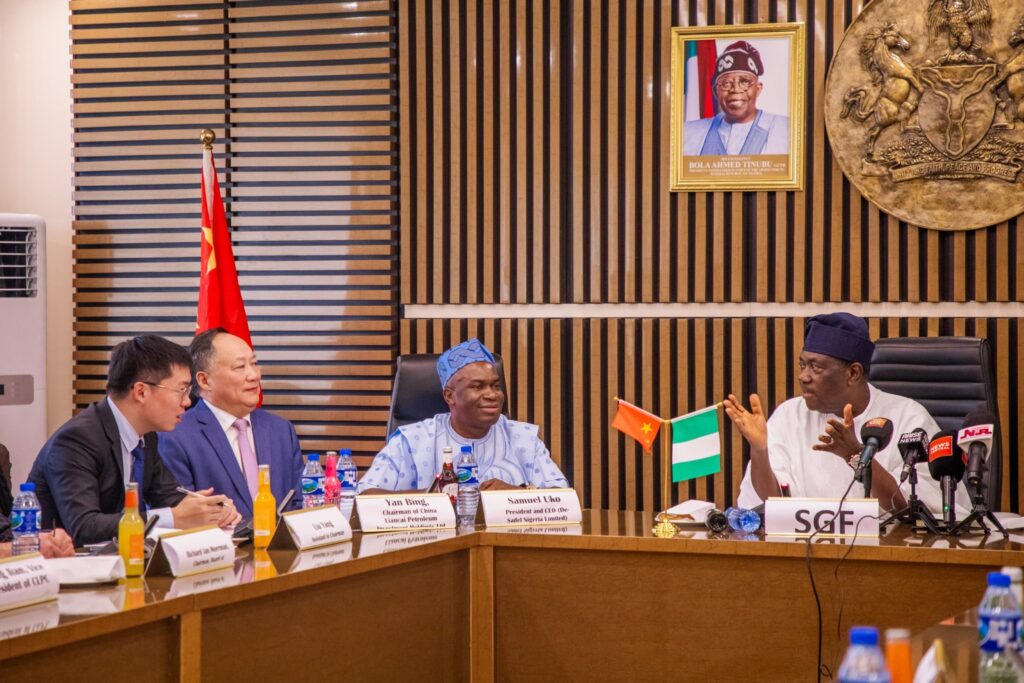
On 13th August, 2025, the Nigerian government received proof of funds for the project at a cost of $60 billion for the first phase. It was presented by De-Sadel Consortium, in partnership with Liancai Petroleum Investment Holdings Limited.
The first phase, spanning 1,600 kilometers, will cover Lagos–Abuja–Kano and Abuja–Port Harcourt within a period of 36 months.
Secretary to the Government, George Akume, received the funds document on behalf of the government.
Akume said the move was in line with President Bola Tinubu’s massive reforms in the economic sector, which make business simple and easy.
Conclusion: Nigeria on Track to Global Recognition
When completed, the High-Speed Rail Project will elevate Nigeria’s profile on the world stage. This achievement will not only showcase Nigeria’s engineering and project management capabilities but also affirm the country’s role as a regional leader in innovation, technology, and sustainable infrastructure development.
With De-Sadel Nigeria Limited at the forefront, the High-Speed Rail Project represents more than an engineering feat; it is a symbol of what Nigeria can achieve through vision, partnership, and determination.
Every kilometer of rail laid is a step toward a stronger, greener, and more connected nation. From reducing travel times and boosting productivity to powering industries and creating jobs, the project stands as a testament to Nigeria’s unstoppable drive for progress.
Nigeria is not just preparing for the future; it is building it at a speed of 350 kilometers per hour.