Across Nigeria today, there is a growing conversation about how to fix roads, improve rail transport, expand power supply, and deliver other essential services faster and better. One solution that is gaining attention is the Public–Private Partnership (PPP) model.
But what does this really mean for the average Nigerian?
This article explains Public–Private Partnerships in very simple terms, clarifies the roles of government and the private sector, addresses common concerns, and highlights how De-Sadel is adopting the PPP model to deliver the high-speed rail project.
What is a Public – Private Partnership (PPP)?
A Public–Private Partnership is simply a collaboration between the government and private companies to build, operate, or manage public infrastructure.
In everyday language:
- Government brings authority, public interest, and regulation.
- Private companies bring funding, expertise, and efficiency.
Instead of the government doing everything alone, both sides work together to deliver projects that benefit the public. This approach is becoming more common in Public private partnership Nigeria initiatives because it helps close funding gaps and speeds up development.
Why Nigeria Is Turning to PPP Projects
Nigeria has a large population and growing infrastructure needs, but government resources are limited. Roads, railways, ports, and power systems require huge investments that public funds alone often cannot cover.
PPP projects help to:
- Reduce pressure on government budgets
- Attract long-term private investment
- Deliver projects faster and more efficiently
- Improve maintenance and service quality
Many countries around the world use PPPs successfully, and Nigeria is increasingly adopting this model to support national development.
The Government’s Role in a PPP
In a Public–Private Partnership, the government does not step aside. Instead, it plays a critical role by:
- Identifying priority projects
- Providing land, approvals, and legal backing
- Setting safety, pricing, and service standards
- Protecting public interest through regulation
- Monitoring compliance and performance
The government remains the custodian of public assets and ensures that projects serve Nigerians fairly and sustainably.
The Private Sector’s Role in Infrastructure Development
The private partner focuses on execution and efficiency. In most Private sector infrastructure projects under PPPs, private companies are responsible for:
- Raising capital and financing the project
- Designing and constructing infrastructure
- Applying modern technology and expertise
- Operating and maintaining the asset
- Managing risks efficiently
This combination allows projects to benefit from private sector innovation while still serving public needs.
Addressing Common Doubts About PPPs
Many Nigerians understandably have concerns about PPPs. Some of the most common questions include:
“Does PPP mean the government is selling public assets?”
No. In most cases, ownership remains with the government. The private partner only operates or manages the asset for a defined period.
“Will services become too expensive?”
PPP agreements include pricing regulations to protect users. Government oversight helps ensure affordability and fairness.
“Can private companies be trusted?”
That is why strong contracts, transparency, and regulation are essential parts of PPP projects. When properly structured, PPPs balance profit with public good.
PPPs are not about replacing government responsibility, they are about sharing responsibility to achieve better results.
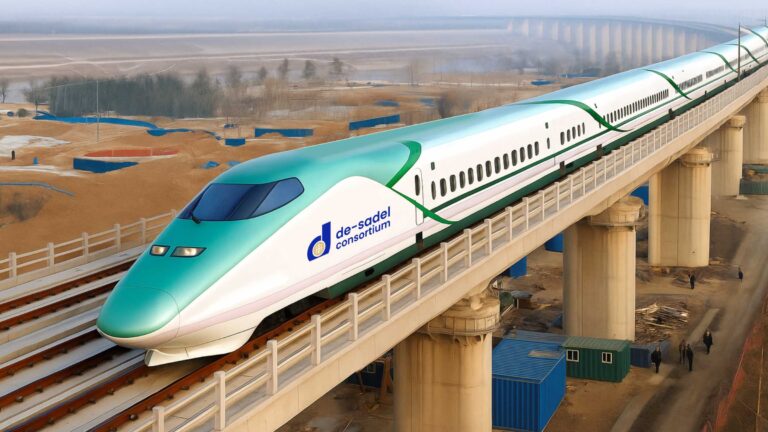
How De-Sadel Is Adopting the PPP Model for High-Speed Rail
De-Sadel is adopting the Public – Private Partnership model to support the development of a high-speed rail project designed to transform transportation in Nigeria.
Through this PPP approach:
- Government provides policy support, regulatory approval, and public oversight
- De-Sadel brings private investment, technical expertise, and project execution capacity
- Risks and responsibilities are shared clearly between both parties
- The focus remains on safety, efficiency, and long-term sustainability
By leveraging private sector efficiency within a regulated public framework, De-Sadel’s PPP-driven rail project aims to improve connectivity, reduce travel time, create jobs, and boost economic activity across regions.
This reflects how PPP projects can deliver modern infrastructure while aligning with national development goals.
What PPPs Mean for Everyday Nigerians
For Nigerians, successful Public – Private Partnerships can lead to:
- Better roads, railways, and public services
- Faster project delivery
- Improved safety and maintenance
- Job creation and skills development
- Stronger economic growth
When implemented transparently and responsibly, PPPs can help Nigeria bridge its infrastructure gap and build for the future.
Conclusion
Public – Private Partnerships are not just policy terms, they are practical tools for national development. In Public private partnership Nigeria initiatives, the government sets direction and protects public interest, while private companies deliver efficiency, innovation, and funding.
With organizations like De-Sadel adopting the PPP model for high-speed rail development, Nigerians can begin to see how collaborative infrastructure development can improve transportation, support economic growth, and enhance quality of life.
When done right, PPPs represent progress built together by the government, the private sector, and the people.