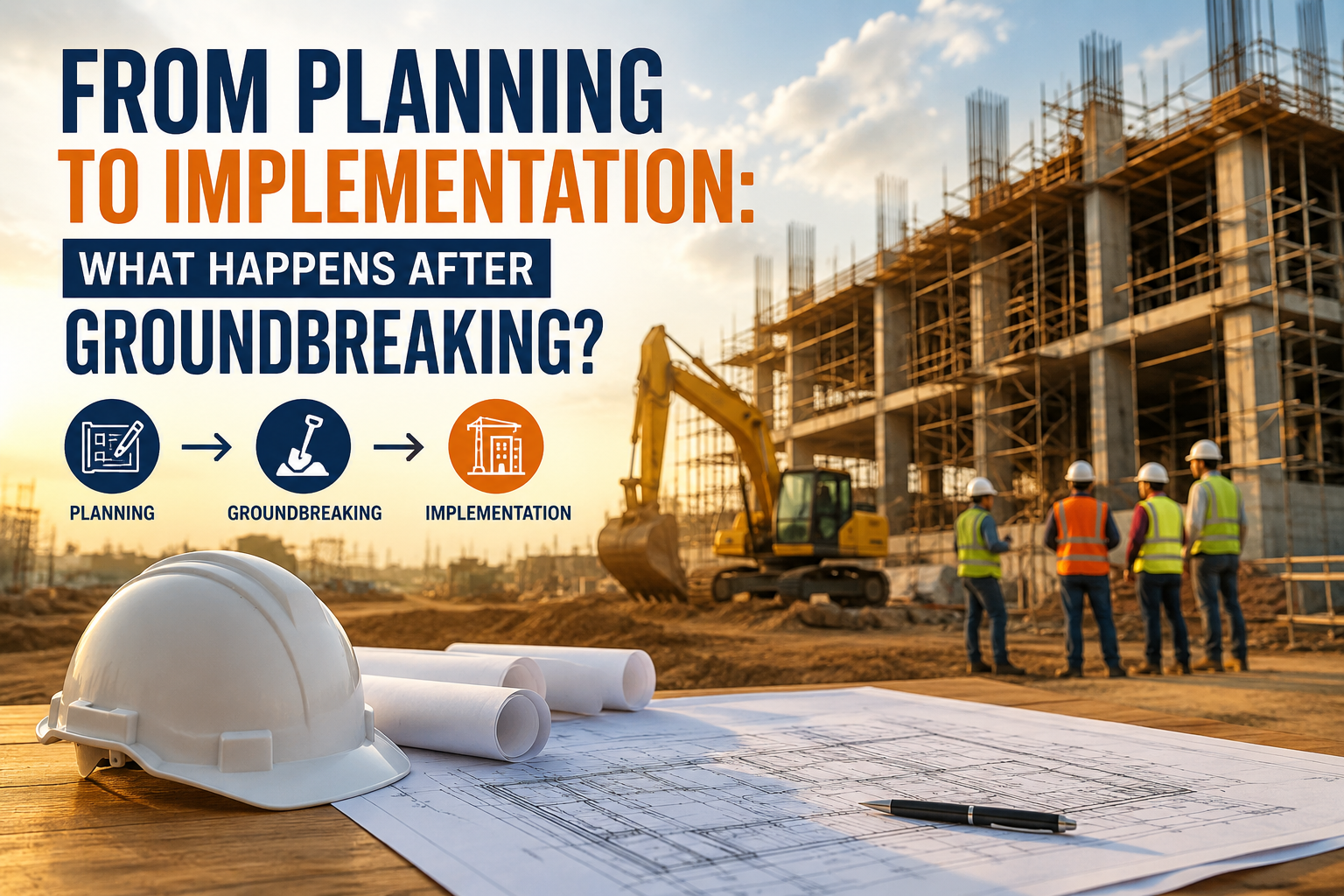
A groundbreaking ceremony is often seen as the official beginning of a construction or infrastructure project. It is a symbolic event that brings together stakeholders, government officials, investors, community leaders, and project teams to celebrate the commencement of a new development. While the ceremonial turning of the soil marks an exciting milestone, the real work begins immediately afterward.
Many people assume that construction starts right away after the groundbreaking event. In reality, a series of critical activities take place to transform project plans into a completed structure. Understanding these stages provides valuable insight into the complexity of delivering successful infrastructure projects.
Mobilization of Resources
Following the groundbreaking ceremony, contractors begin mobilizing resources to the project site. This involves moving construction equipment, materials, machinery, and personnel into place. Temporary facilities such as site offices, storage areas, worker accommodations, and safety stations may also be established.
Mobilization ensures that all necessary resources are available before major construction activities commence, minimizing delays and improving project efficiency.
Site Preparation
Before any permanent structures can be built, the site must be prepared. This stage may include:
- Clearing vegetation and debris
- Demolishing existing structures if necessary
- Conducting earthworks and grading
- Establishing drainage systems
- Securing the project perimeter
Site preparation creates a safe and stable environment for construction activities while ensuring compliance with environmental and regulatory requirements.
Detailed Engineering and Design Validation
Although the project may already have approved designs, engineers often conduct further reviews and validations before full-scale construction begins. This process helps identify potential design conflicts, optimize construction methods, and address unforeseen site conditions.
Additional surveys, soil testing, and technical assessments may also be carried out to confirm that the project can proceed according to plan.
Procurement of Materials and Equipment
Large-scale projects require significant quantities of construction materials and specialized equipment. Procurement teams work closely with suppliers to ensure that materials such as cement, steel, pipes, electrical components, and finishing products are delivered according to the construction schedule.
Effective procurement management helps prevent shortages that could slow down project progress.
Foundation and Structural Works
Once the site is fully prepared, construction teams begin foundation work. Foundations serve as the backbone of any structure and are designed to safely transfer loads to the ground.
Depending on the project type, this phase may involve:
- Excavation
- Piling operations
- Concrete casting
- Reinforcement installation
- Structural framework construction
The successful completion of foundation works sets the stage for vertical development.
Construction and Project Execution
With the foundation in place, the project enters its most visible phase. Buildings begin to rise, roads take shape, bridges extend across waterways, and infrastructure systems gradually come together.
During this stage, project managers coordinate multiple teams, including engineers, contractors, subcontractors, quality inspectors, and safety officers. Progress is monitored closely to ensure that timelines, budgets, and quality standards are maintained.
Quality Assurance and Safety Management
Construction projects are governed by strict quality and safety requirements. Throughout implementation, inspections and testing are conducted to verify that work meets engineering specifications and regulatory standards.
Safety programs are also enforced to protect workers, equipment, and the surrounding community. Regular training sessions, risk assessments, and compliance audits help reduce accidents and improve project outcomes.
Stakeholder Engagement and Communication
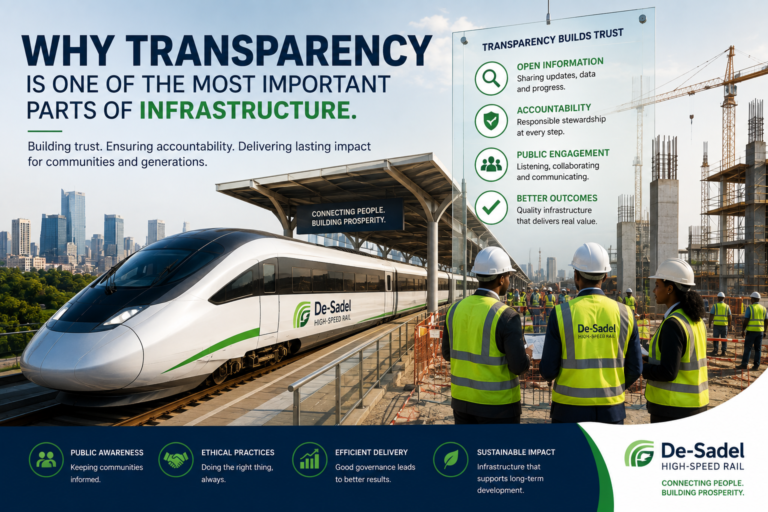
Even after groundbreaking, stakeholder engagement remains essential. Project owners often provide regular updates to government agencies, investors, local communities, and other interested parties.
Transparent communication helps build trust, manage expectations, and address concerns that may arise during construction.
Testing and Commissioning
As construction nears completion, systems and facilities undergo rigorous testing and commissioning. This stage ensures that all components function as intended before the project is handed over for operation.
Testing may include:
- Electrical system verification
- Mechanical equipment testing
- Safety inspections
- Performance evaluations
- Operational readiness assessments
Any defects identified during commissioning are corrected before final approval.
Project Completion and Handover
The final stage is project completion and handover. At this point, the completed facility is officially transferred to the owner, operator, or end user. Documentation, operational manuals, warranties, and maintenance plans are provided to support long-term use.
The handover represents the culmination of months or years of planning, coordination, and execution.
Conclusion
A groundbreaking ceremony may symbolize the start of a project, but it is only the beginning of a much larger journey. From mobilization and site preparation to construction, testing, and final handover, numerous activities occur behind the scenes to bring a vision to life.
Successful project delivery depends on careful planning, effective coordination, quality control, and stakeholder collaboration. Understanding what happens after groundbreaking highlights the tremendous effort required to transform an idea on paper into infrastructure that serves communities and drives development.