Large infrastructure projects are often viewed through the lens of construction. People see rail lines, bridges, highways, ports, power systems, and urban developments taking shape and naturally focus on the physical work involved. Yet behind every successful infrastructure project is something less visible but equally important: partnership.
No single organization possesses all the resources, expertise, authority, and capacity required to deliver a major infrastructure project from concept to completion. This is why partnerships are not simply helpful—they are essential.
Infrastructure Is Too Complex for One Organization Alone
Modern infrastructure projects involve a wide range of activities that extend far beyond construction. Planning, engineering, environmental assessments, financing, regulatory approvals, land acquisition, community engagement, operations planning, and long-term maintenance all play important roles in project delivery.
Each of these areas requires specialized knowledge and capabilities. Governments may provide policy direction and regulatory oversight. Private sector companies may contribute technical expertise, construction capacity, technology, or investment. Financial institutions may support funding structures, while consultants and technical advisors provide specialized analysis and planning.
Partnerships bring these different capabilities together, allowing projects to benefit from the strengths of multiple organizations rather than relying on a single entity.
Partnerships Improve Decision-Making
Large projects generate enormous amounts of information and require countless decisions throughout their lifecycle. When organizations work together, they contribute different perspectives and areas of expertise that help improve the quality of those decisions.
Engineers may focus on technical feasibility. Environmental specialists may identify sustainability considerations. Financial experts may evaluate long-term economic viability. Government agencies may ensure compliance with regulations and public objectives.
By combining these viewpoints, partnerships help create more balanced and informed decisions that support project success.
Shared Resources Create Greater Capacity
Infrastructure development often requires significant financial, technical, and human resources. Partnerships enable organizations to pool these resources and create a stronger foundation for project delivery.
This shared approach can help improve efficiency, reduce duplication of effort, and ensure that critical project needs are addressed at each stage of development.
Rather than one organization carrying every responsibility, partners contribute according to their expertise and capacity, creating a more resilient project structure.
Managing Risk Through Collaboration
Every major infrastructure project faces risks. These may include technical challenges, changing market conditions, regulatory requirements, environmental considerations, or unforeseen operational issues.
Partnerships help distribute responsibilities and create mechanisms for managing these risks more effectively. Different partners often bring experience from previous projects, allowing lessons learned elsewhere to inform planning and implementation.
A collaborative approach also encourages ongoing monitoring and problem-solving, helping projects adapt to challenges as they arise.
Building Public Confidence
Infrastructure projects often affect communities, businesses, and entire regions. As a result, public confidence becomes an important factor in project success.
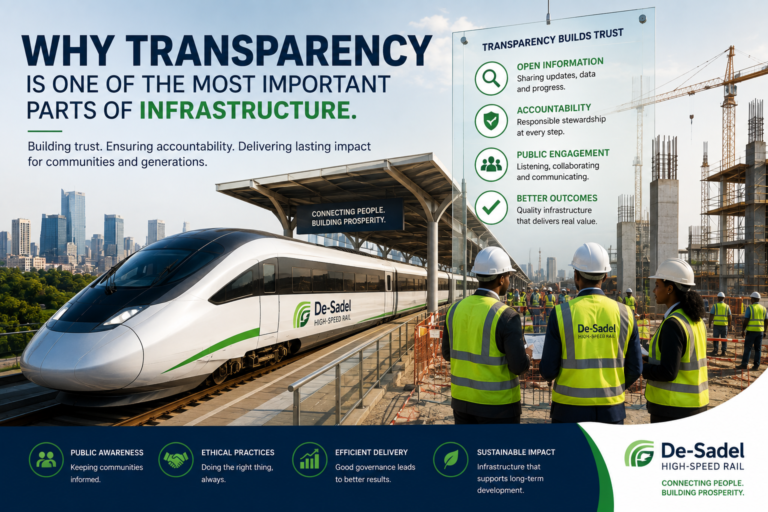
Partnerships can help strengthen confidence by demonstrating that multiple organizations are working together toward clearly defined goals. When government agencies, technical experts, investors, and project developers collaborate transparently, stakeholders gain greater visibility into how decisions are being made and how project objectives are being pursued.
This collaborative environment supports accountability and encourages trust throughout the project lifecycle.
Partnerships Support Long-Term Success
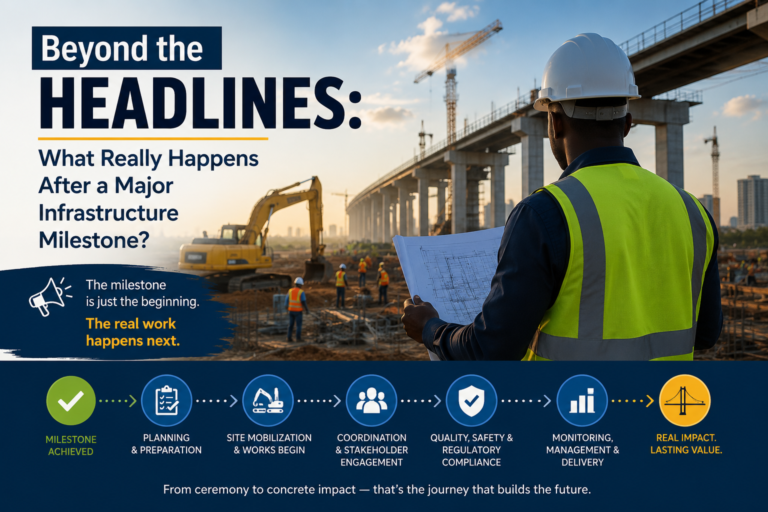
The completion of construction does not mark the end of an infrastructure project’s journey. Infrastructure assets are expected to serve communities for decades, sometimes generations.
Long-term success depends on effective operations, maintenance, upgrades, and continuous improvement. Partnerships established during planning and development often provide the foundation for this ongoing support.
Organizations that collaborate effectively during project delivery are often better positioned to manage future challenges and ensure the infrastructure continues to perform as intended.
The Role of Partnerships in Major Rail Projects
Large transportation initiatives such as the De-Sadel High Speed Rail illustrate the importance of partnerships in infrastructure development. Projects of this scale require coordination across numerous disciplines, including engineering, planning, financing, regulatory engagement, technology integration, and future operations.
No single participant can successfully manage every aspect alone. Progress depends on the ability of multiple stakeholders to work together within a shared framework, contributing their expertise toward a common objective.
This collaborative model allows complex projects to move forward in a structured and coordinated manner while maintaining focus on safety, efficiency, and long-term sustainability.
Conclusion
Large infrastructure projects are not built by a single organization acting in isolation. They are the result of partnerships that bring together diverse skills, resources, knowledge, and perspectives.
These partnerships improve decision-making, strengthen project capacity, support risk management, build stakeholder confidence, and contribute to long-term success. As infrastructure projects become increasingly complex, the ability to form and maintain effective partnerships becomes not just an advantage, but a fundamental requirement for successful delivery.
Behind every major infrastructure achievement is a network of organizations working together toward a shared goal. The infrastructure may be visible, but the partnerships that make it possible are often the true foundation of success.